Below is a detailed comparison of the top banks in Georgia: Bank of Georgia, TBC Bank, Liberty Bank, Credo Bank, and Basis Bank. These banks offer a variety of financial services for residents and non-residents, with strengths and characteristics that vary depending on their specialties and scope.
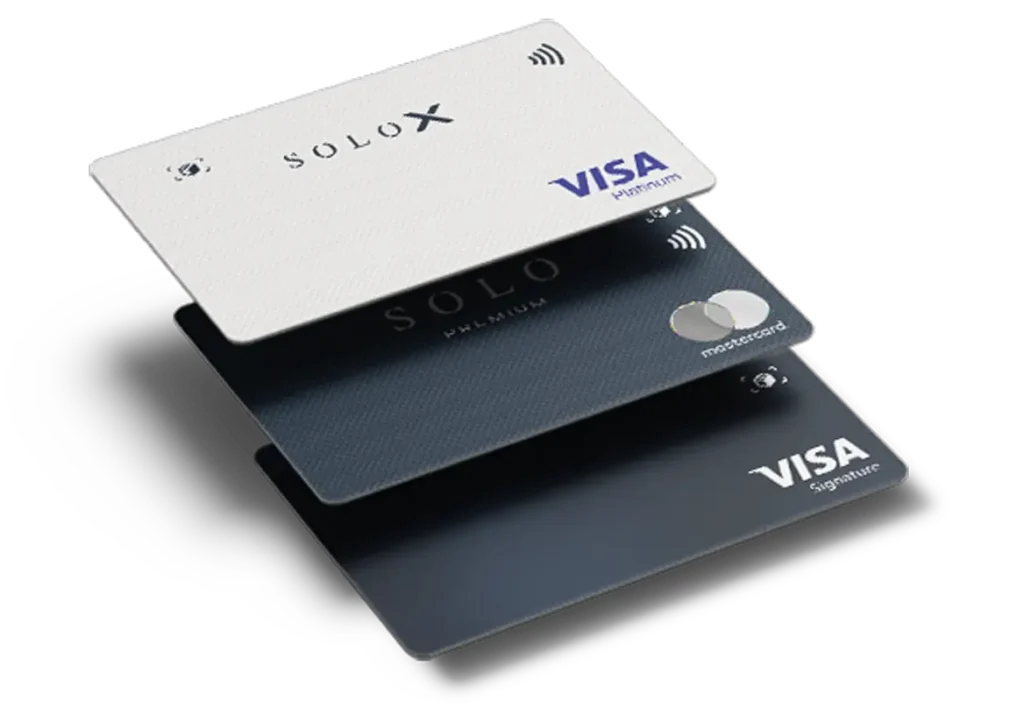
- Bank of Georgia: It is one of the two giants of the Georgian banking system, along with TBC Bank, and is listed on the London Stock Exchange (LSE: BGEO) and the Georgia Stock Exchange. Internationally, Bank of Georgia is recognized for its stability and growth, with a significant market capitalization and an extensive network that includes more than 200 branches in Georgia. In 2024, it reported solid earnings, reflecting its leadership in lending, deposits, and digital banking. Its SOLO service, aimed at non-residents, stands out for its premium approach.
- TBC Bank: Also an industry leader, it is listed on the London Stock Exchange (LSE: TBCG) and is internationally known for its technological innovation and expansion in markets such as Azerbaijan and Uzbekistan. With more than 150 branches, TBC Bank offers competitive services, especially in mobile banking, and has shown steady growth, with annual profits exceeding GEL 300 million in recent years. However, their interest rates and terms may be slightly less favorable than Bank of Georgia’s.
- Liberty Bank: The third-largest bank by assets, majority-owned by international investors such as European Financial Group BV, focuses on services for small and medium-sized enterprises. With around 100 branches, it offers decent interest rates, but its international reach is limited and its focus is more geared towards business lending than non-resident services.
- Credo Bank: Specializing in microloans and financing for individuals and small businesses, Credo Bank operates about 50 branches. Its interest rates are higher than those of large banks, and its operational efficiency is lower, making it less competitive for customers looking for premium services or long-term deposits.
- Basis Bank: With a smaller network (around 30 branches), Basis Bank focuses on core services and has a modest footprint. Its interest rates and financing options are less attractive, and its customer service does not reach the level of larger banks, which positions it as a secondary option.